Mortar Joints and Brickwork
Open joints let water reach further into the masonry. Tuckpointing renews deteriorated mortar; damaged bricks may need replacement. We assess both instead of treating every crack as the same repair.
30+ Years in Business · Established 1993
Crumbling mortar, damaged bricks, cracked crowns and leaking flashing are different problems. Lioncrest examines the chimney and its roof connection to identify the work each part needs.
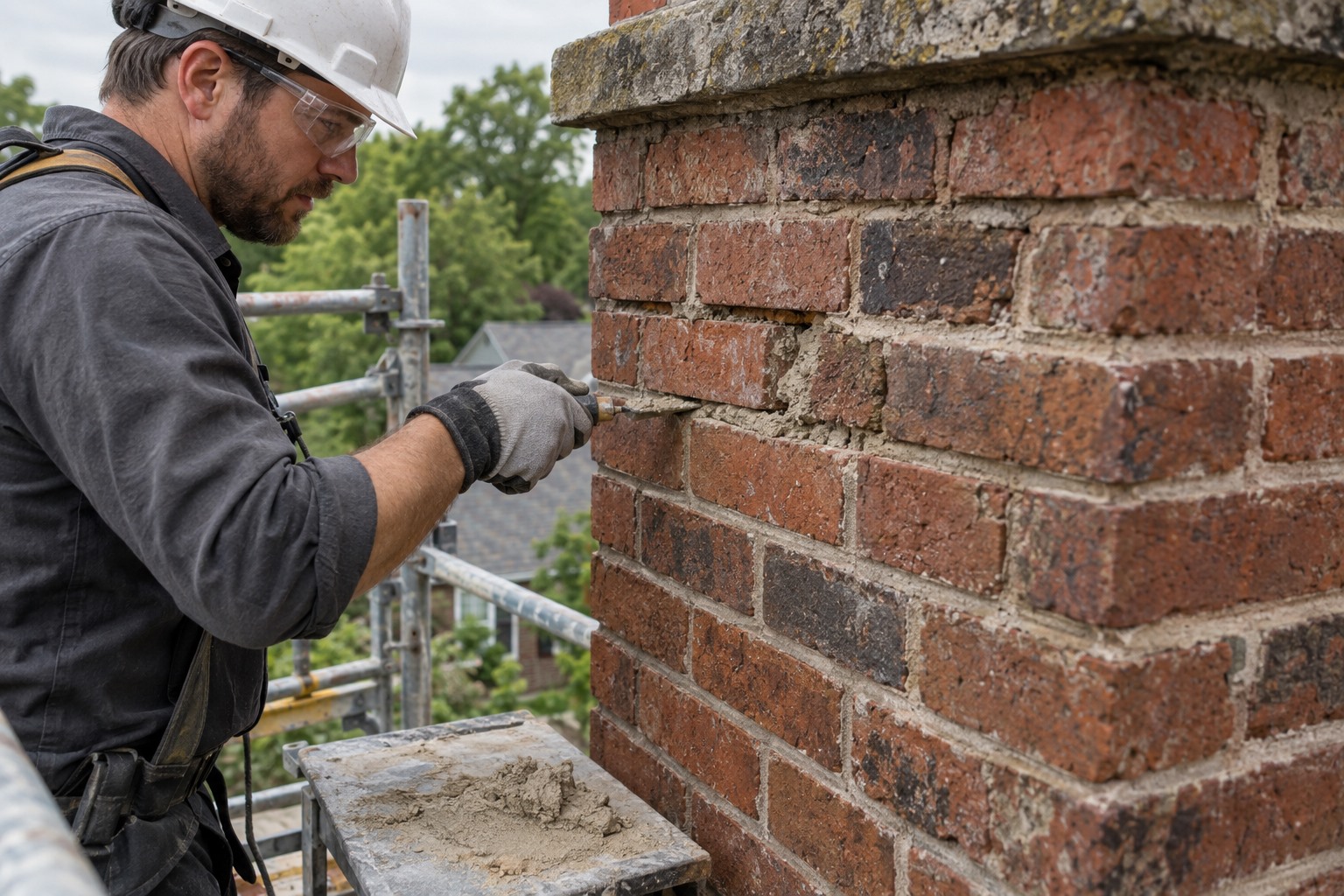



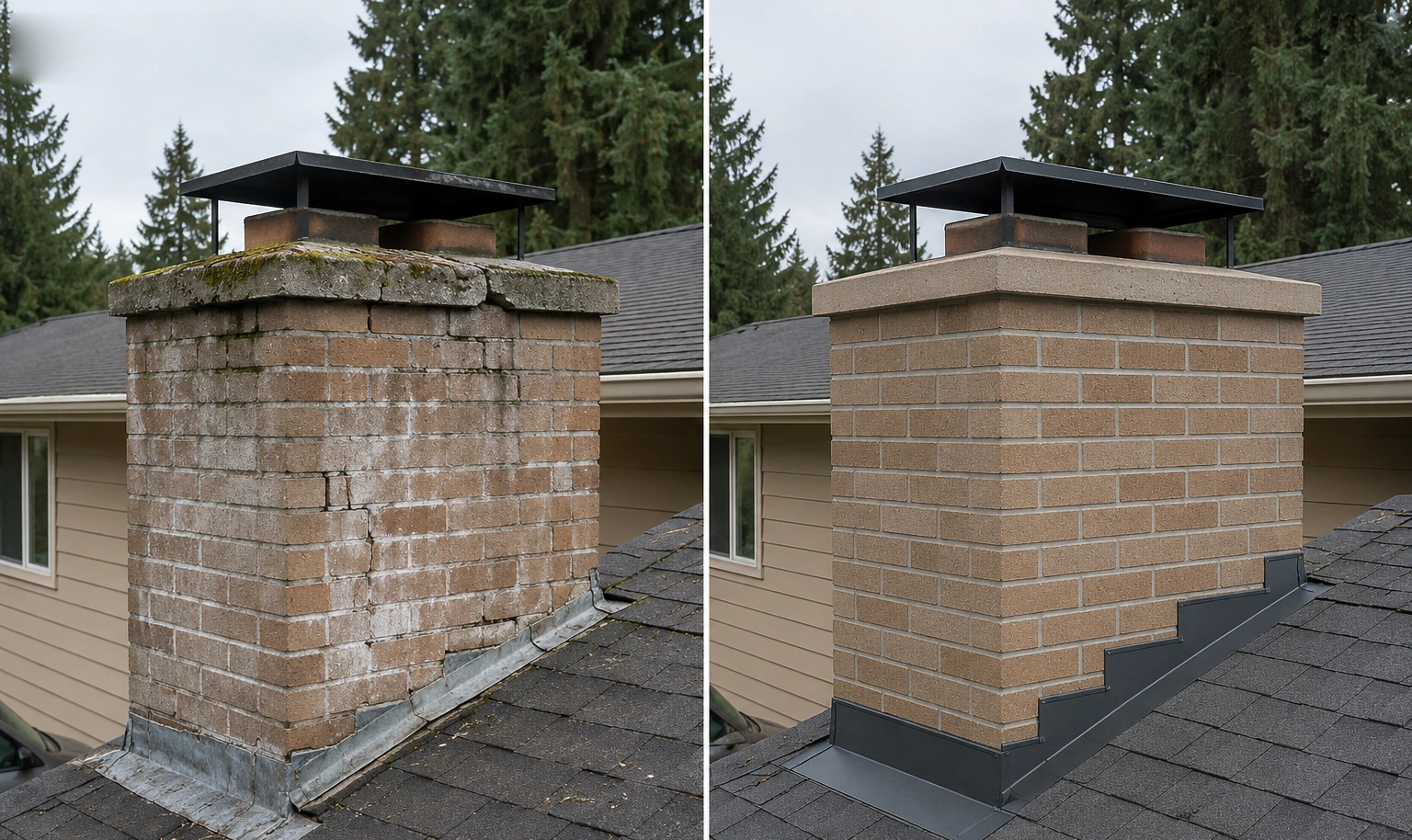
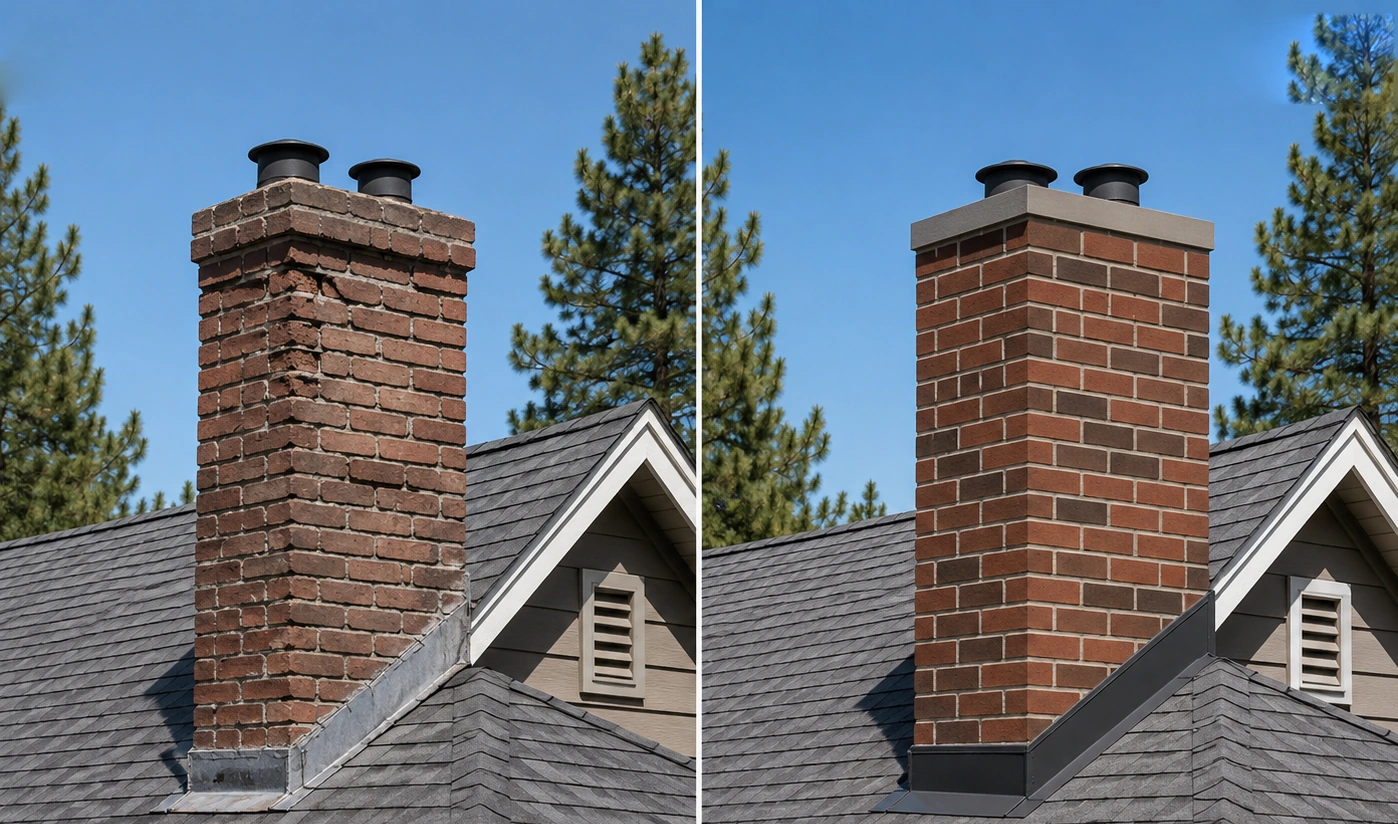
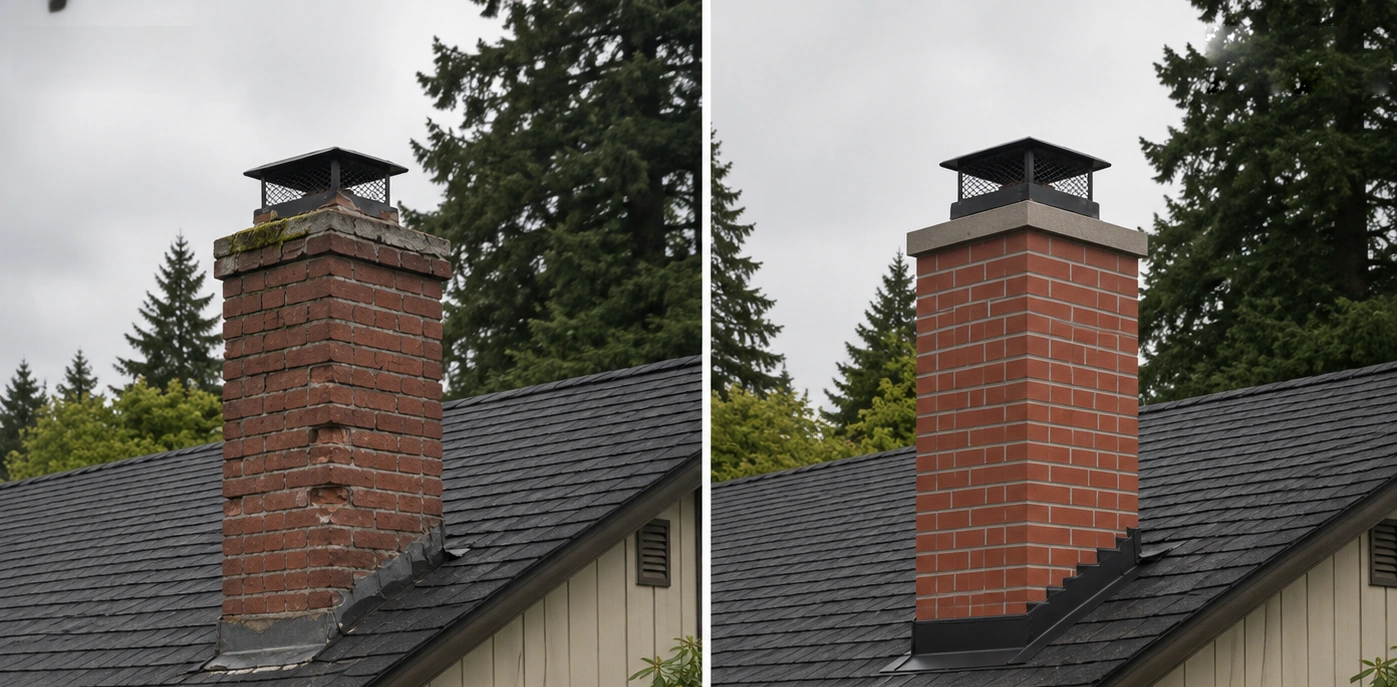
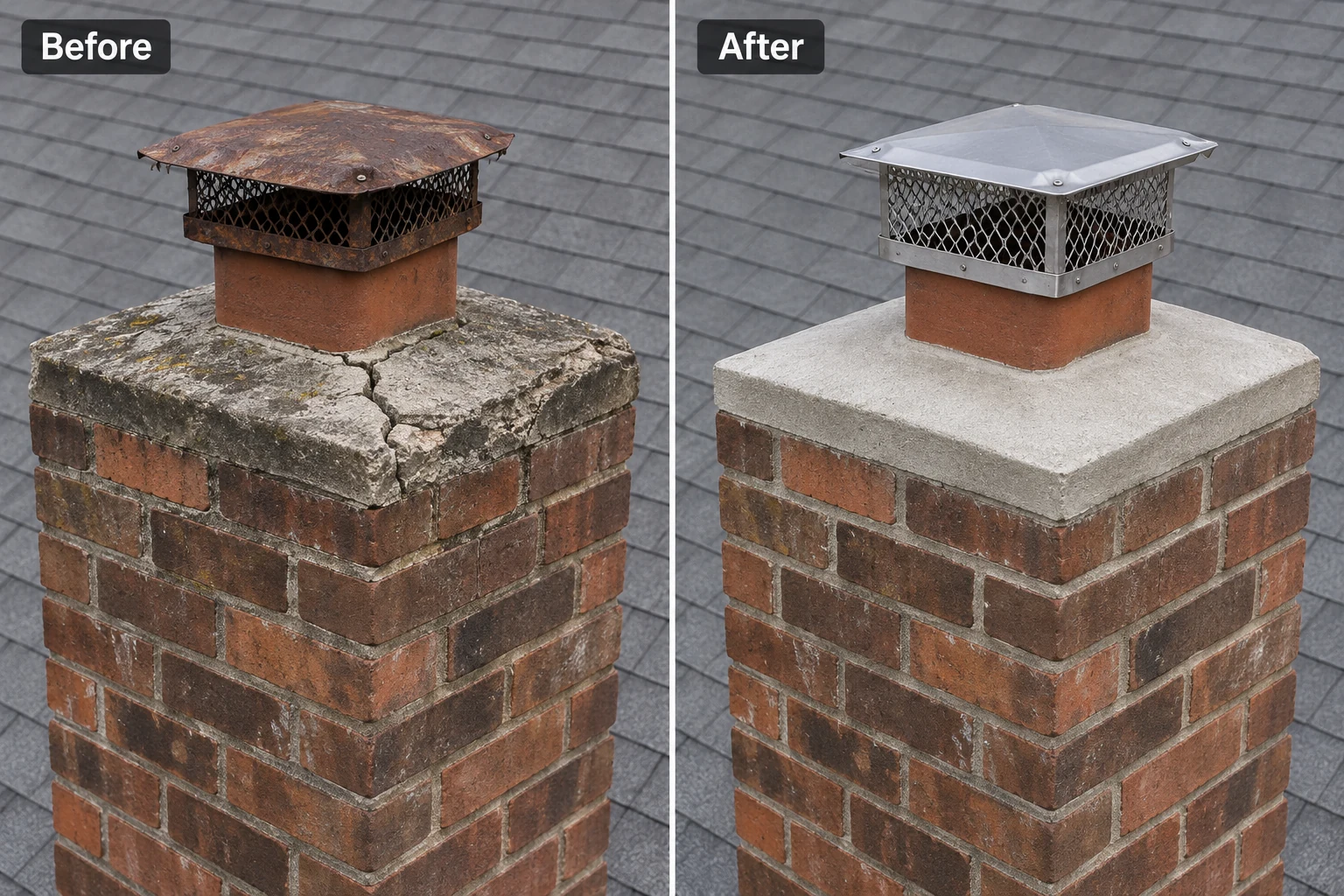
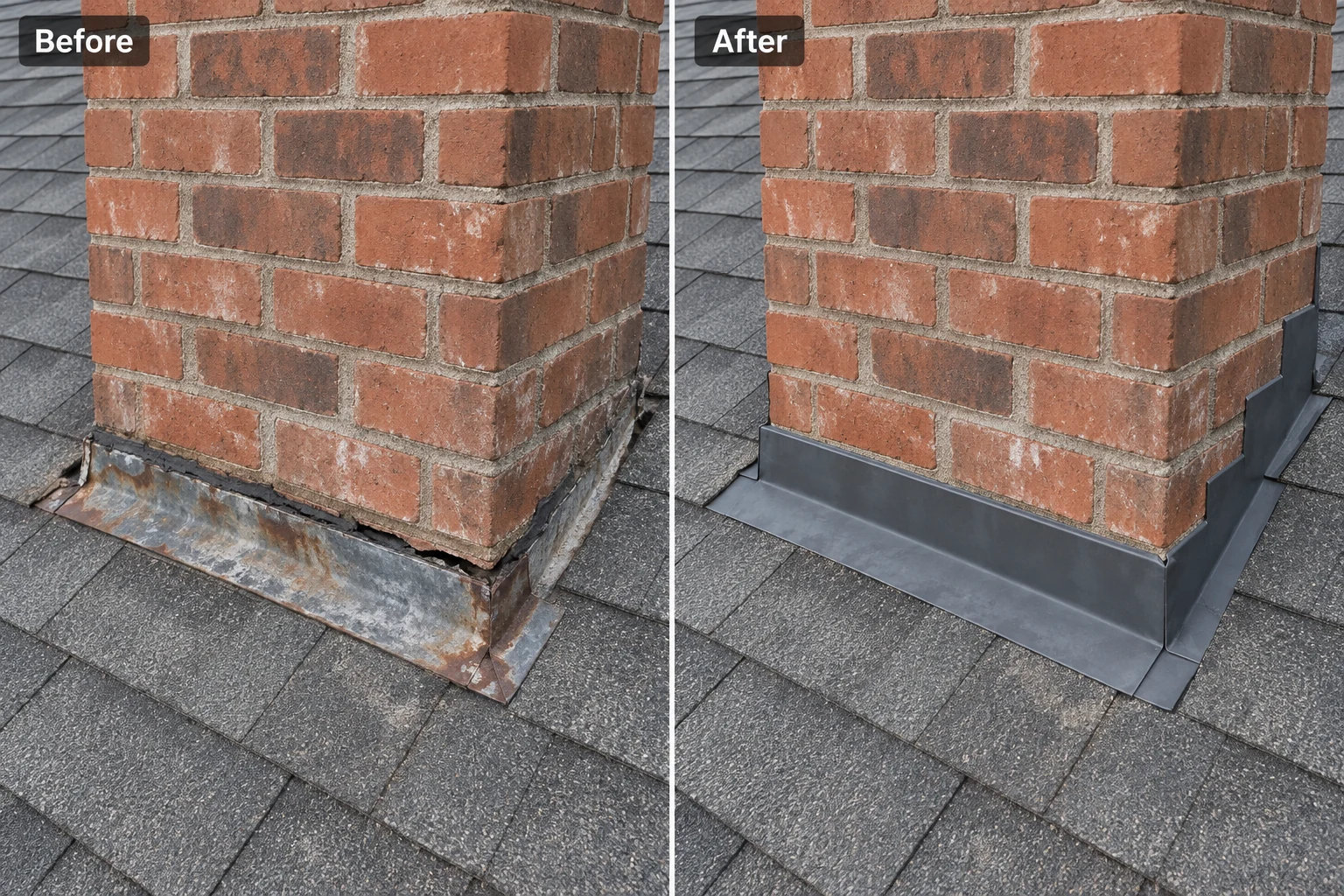
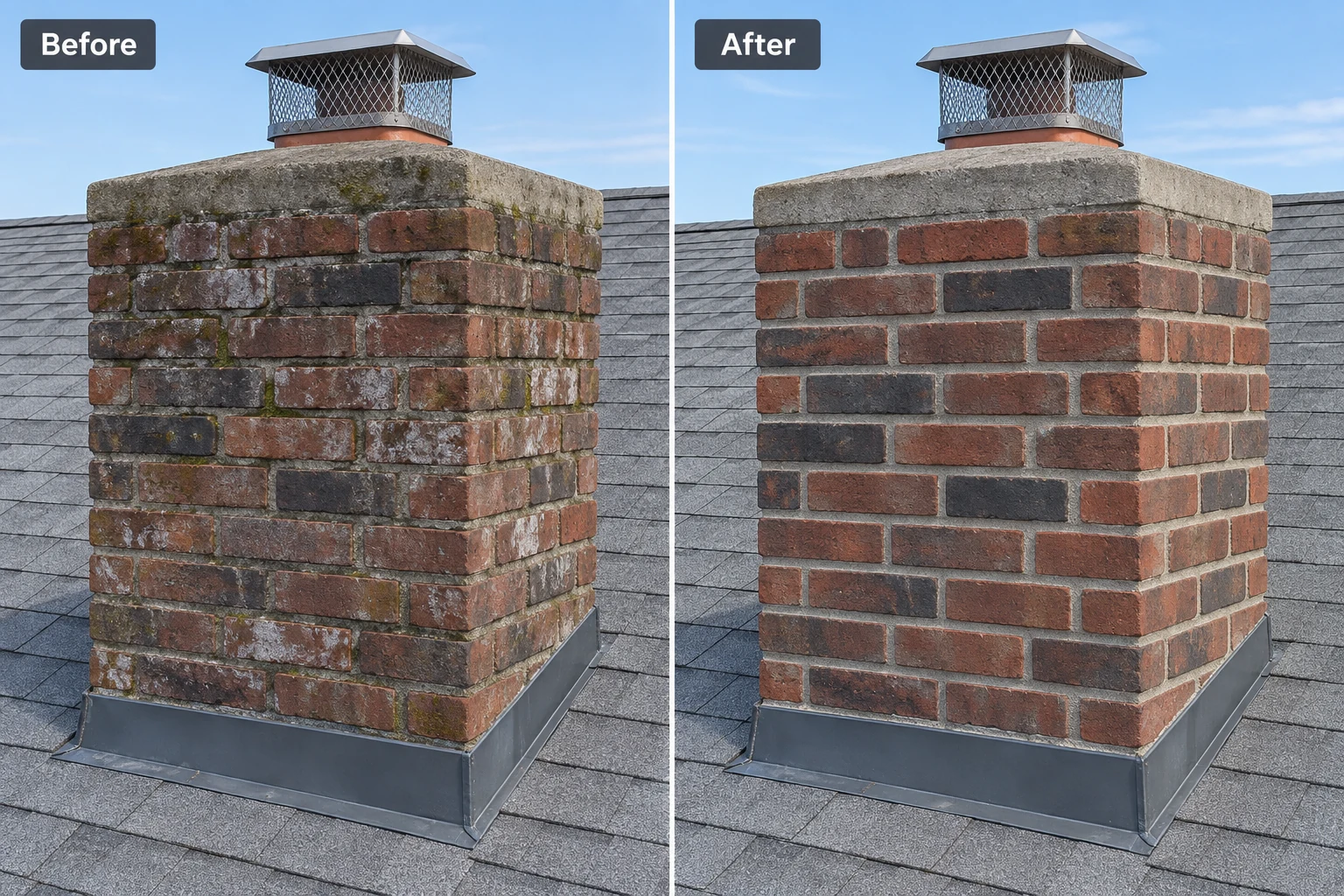
Open joints let water reach further into the masonry. Tuckpointing renews deteriorated mortar; damaged bricks may need replacement. We assess both instead of treating every crack as the same repair.
The crown covers the top of the masonry around the flue. The cap sits above the flue opening. Cracks, gaps or a damaged cap can leave these areas exposed to water and debris.
Flashing connects the chimney to the roof covering. Water near a chimney can also come through the masonry or top of the chimney, so the location of an indoor stain does not always identify the source.
Explore a broader chimney condition inspection.
A chimney with sound brickwork may need targeted mortar or component work. More extensive deterioration can call for rebuilding part or all of the masonry. See the chimney rebuilding page for that process.
 Roofing and chimney expertise. We evaluate masonry, flashing and the adjacent roof together when tracing leaks.Repair what needs attention. Sound masonry can remain when targeted repairs or a partial rebuild are suitable.Clear scope and pricing. You approve every change before work proceeds.30+ years in business. Established in 1993, with zero CCB complaints.
Water can enter through a cracked crown, damaged or missing cap, open mortar joints or failing flashing. More than one area can be involved. We evaluate the chimney and the roof connection together to narrow down the source.
Tuckpointing replaces deteriorated mortar between bricks. It is useful when the joints need attention and the surrounding masonry remains sound. It does not replace broken bricks or resolve major movement in the chimney.
The cap covers the flue opening. The crown is the masonry or concrete surface across the top of the brick chimney. They serve different purposes, and damage to one does not automatically mean both need replacement.
Individual damaged bricks can be replaced as part of masonry work. When deterioration affects a large section or the chimney has moved, a partial or full rebuild may be the appropriate approach.
Sealing is not a substitute for repairing open joints, damaged masonry, a cracked crown or defective flashing. The source of the water entry should be identified so the proposed work addresses the actual problem.
Yes. Lioncrest evaluates the masonry and flashing where the chimney meets the roof. Discussing both projects together helps identify how the proposed work connects.
Yes. Book a free on-site chimney repair or rebuild estimate. Choose an available time online, then enter your contact and property details. This schedules the estimate visit, not the repair work.
When the brickwork is sound, mortar repairs or replacing individual damaged components may be enough. Widespread deterioration or structural movement may call for a partial or full rebuild. We explain the findings and proposed work before you approve it.
Chimney work has a 1-year warranty, or a 5-year warranty when sealing is included.
Explore options through Acorn Finance for your chimney project. Lioncrest is not the lender.
Choose your free estimate time online, or call us about your chimney.